Can Stock Market investing (Trading) be as Addictive as Gambling?
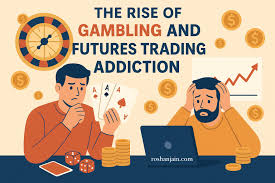
Investing in the stock market can indeed share similarities with gambling in terms of psychological effects and behavioral tendencies, and research suggests that for some individuals, it can become compulsive or addictive, much like gambling addiction .
Similarities Between Stock Market Investing and Gambling
- Neurobiological factors: Neuroeconomics studies reveal that the brain’s response to financial rewards can be akin to the reaction to gambling or drug use, driven by dopamine rushes to seek thrill and potential big wins .
- Behavioral patterns: Excessive trading, overconfidence, chasing losses, and FOMO are psychological triggers common to both gambling and active investing, which can lead to compulsive behaviors .
Evidence of Addictive Tendencies in Investors
- Some investors display signs of compulsive gambling, engaging in frequent trades, day trading, and derivatives investing, which can cause financial and personal difficulties .
- Studies also find that behavioral addiction, characterized by overtrading and high portfolio turnover, is associated with gambling disorder .
Risks and Consequences
- Like gambling, stock trading can become a source of stress, mental fatigue, and emotional distress, especially during market downturns .
- This addictive cycle can lead to reckless decisions, financial losses, and adverse impacts on mental health .
The brain mechanisms linking trading and gambling primarily involve the dopamine system and related neural circuits responsible for reward, decision-making, and impulse control.
Which brain mechanisms link Trading and Gambling?
Dopamine and Reward System
- Both stock trading and gambling activate the brain’s dopamine pathways in the reward centers, which create feelings of pleasure and excitement from potential financial gains. This dopamine “rush” drives risk-taking and the pursuit of high rewards despite long odds, similarly to drug addiction .
- Neuroimaging shows that dopamine spikes correlate with behaviors like “loss chasing,” where individuals risk more money to recover previous losses, common in both gambling and active trading .
Brain Regions Involved
- Prefrontal Cortex: Responsible for decision-making, impulse control, and self-regulation. Reduced activity here is linked to difficulties in resisting urges and assessing risks, which is observed in problem gamblers and compulsive traders .
- Striatum: A key part of the reward system, showing heightened activity in response to gambling and trading cues, reinforcing addictive behavior patterns .
- Amygdala: Involved in emotional responses, this region becomes hyperactive, leading to intense emotional highs and lows seen during gambling and risky trading .
Cognitive and Emotional Factors
- Both trading and gambling involve interactions between emotional drives and cognitive control. For instance, the gambler’s fallacy and other cognitive biases emerge from imbalances between emotional and rational decision-making brain areas, affecting trading behavior as well .
- The brain’s reward circuits can override logical analysis, promoting speculation and risk-taking even when odds are unfavorable .
Is there help for those suffering from Stock Trading Addiction?
Yes, there is help available for those suffering from stock trading addiction, also referred to as trading or stock market addiction.
Treatment Approaches
- Professional Therapy: Cognitive Behavioral Therapy (CBT) is commonly used to address the negative thought patterns and compulsive behaviors associated with stock trading addiction. Therapy focuses on understanding triggers, changing unhealthy habits, and managing anxiety or other mental health disorders that may co-occur .
- Psychiatric Support: In some cases, medication may be prescribed to treat accompanying psychological symptoms like depression or anxiety .
- Behavioral Therapies: Impulse control techniques and psychotherapy help individuals develop healthier relationships with risk and trading behaviors .
- Group Therapy and Support Groups: Sharing experiences and getting peer support in structured groups can help reduce feelings of isolation and guilt .
Additional Support
- Family Involvement: Family therapy and education can provide essential support during recovery .
- Financial Counseling: As financial problems are common with trading addiction, counseling helps manage finances and plan recovery responsibly .
- Coaching: Specialized day trading addiction coaching offers tailored strategies, accountability, and motivation as a complement to therapy .
Holistic Care Programs
Some treatment centers provide comprehensive care including digital detox, emotional regulation, and rebuilding healthy habits to aid recovery from trading addiction .
In summary, help for stock trading addiction involves a combination of psychological therapy, peer support, family involvement, and financial guidance, with professional treatment tailored to individual needs being key to recovery
Summary
The link between trading and gambling lies in the activation of the brain’s reward system mediated by dopamine, combined with reduced impulse control and increased emotional reactivity. These mechanisms can create addiction-like behavior in both activities due to the allure of unpredictable financial rewards and thrill-seeking .
In brief, dopamine-driven reward responses and impaired prefrontal control underlie the addictive qualities common to both stock trading and gambling.
Key Takeaway
While investing can be a rational and disciplined activity, it can also mimic gambling behaviors when driven by emotional impulses, leading to addiction-like patterns for some individuals. Recognizing these tendencies and implementing sound risk management strategies can mitigate this risk .
In summary, yes, investing in the stock market can be as addictive as gambling for some individuals, driven by neurobiological reward mechanisms and behavioral tendencies that resemble gambling addiction.